
This article by Kimberly Beekman originally ran on Powder Cloud on May 28, 2021 and has been reprinted with their permission.
You can read the original article here, and check out the rest of the site while you’re at it.
In the fall of 2020, with the pandemic in full swing, the backcountry ski community was nervous. Touring gear was sold out, avalanche courses were full, and a flood of newbies—instigated by resort reservations policies and uncertainty about safety protocols—were threatening to clog trailheads and parking lots in popular backcountry zones. Worse, experienced backcountry travelers feared that the glut of inexperienced skiers and riders would result in more avalanche fatalities.
What actually happened last year is complicated. The U.S. has had the worst year ever in terms of number of deaths with 37 avalanche fatalities thus far, surpassing a dismal record of 36 in the 2008 and 2010 season. Yet experts all agree there were more people than ever using the backcountry, which means the death rate actually went down from average. Furthermore, the people who died were not, for the most part, the newbies. So did the pandemic have any impact, and if so, how?
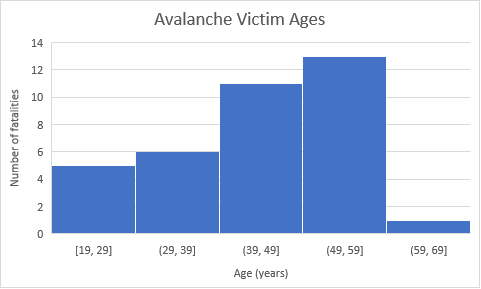
First, let’s look at who the victims were. Most of the people who were caught and killed were experienced, with a median age of 44—10 years older than the average median from 1990 to 2018, said Karl Birkeland, director of the U.S. Forest Service National Avalanche Center. “In general, we had a lot of experienced people that comprised many of the victims,” Birkeland said. “These weren’t 20-year-olds.”
In normal years, it’s not unusual for experienced people to get caught and killed due to the simple unforgiving game of numbers: The more you go, the higher your risk. This past year, though, the situation more convoluted. While there aren’t many solid numbers out there from trailhead use, experts across the mountain West would estimate that backcountry use increased anywhere from 50% to 100% due to the pandemic. “We saw this huge influx, and the question is how did the influx tie into fatalities?” Birkeland said. Did the crowds push experienced people to venture into riskier terrain? Or did the stress of cabin fever push people out on days that they should have stayed home?
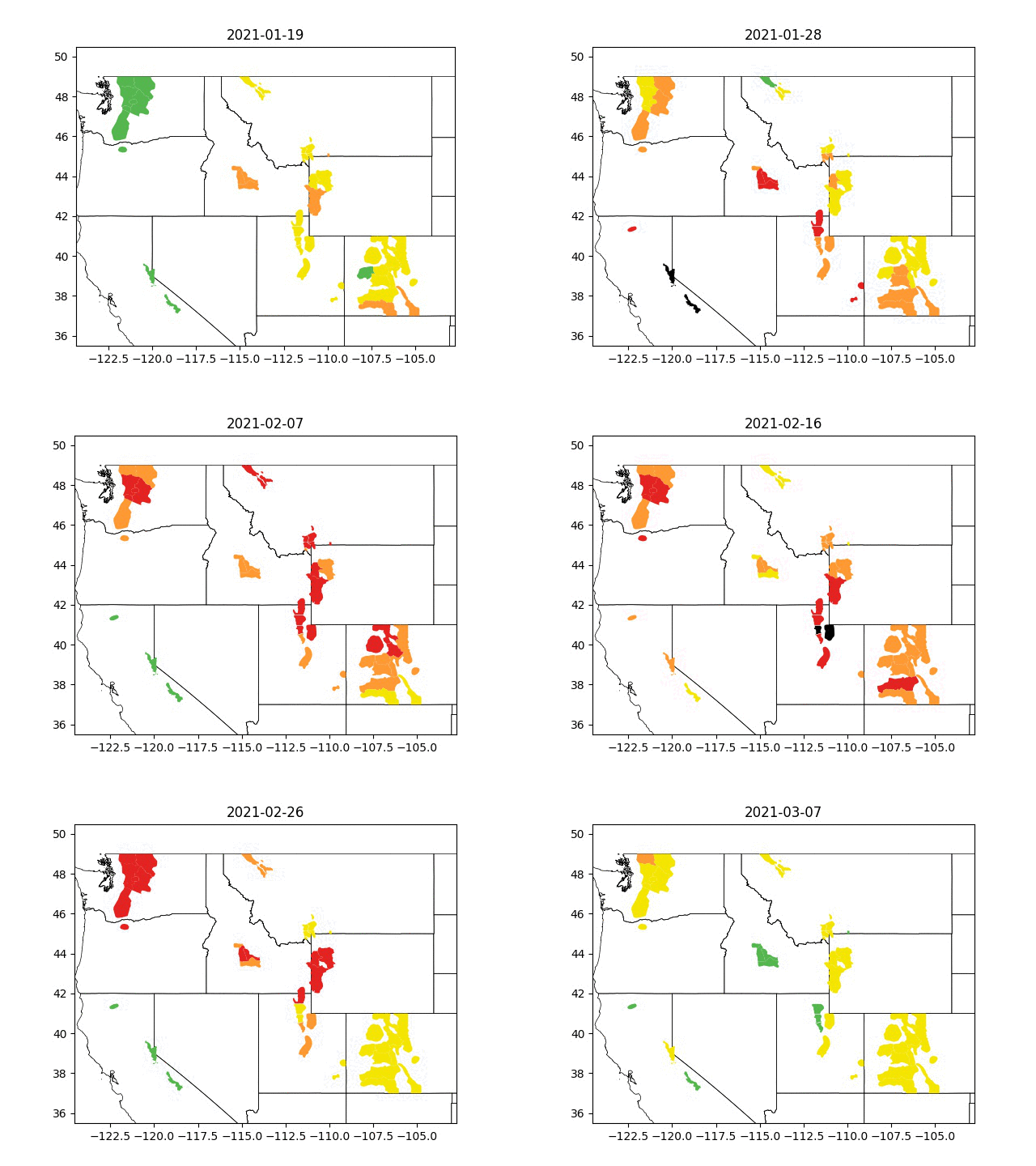
According to Ethan Greene, director of the Colorado Avalanche Information Center (CAIC), those questions are impossible to answer without addressing the biggest elephant in the room: Last season saw an extraordinarily dangerous snowpack due to a thin early-season snowpack followed by a dry period and then large amounts of snow. “In order to get human accidents in avalanches, you need two things: people and potential for avalanches. This year was a really bad confluence of both.”
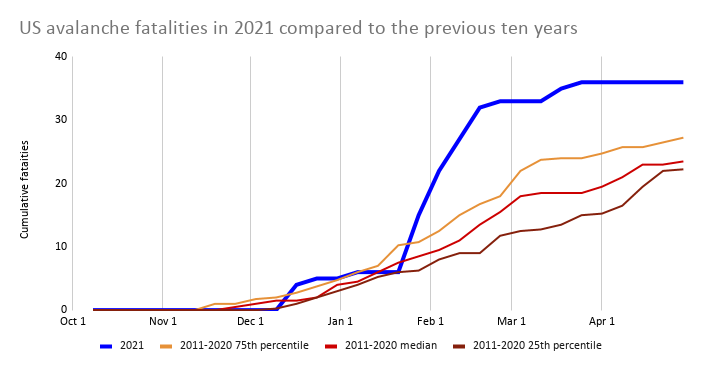
According to Greene, this season’s snowpack was a one-in-10-year event, and February was particularly fatal. This means an experienced skier who has traveled in the backcountry for 20 years would have only experienced two months that had conditions like February 2021. “The characters of these avalanches were dangerous for people. They were easy to trigger remotely from low-angle terrain, and they propagated a long way.” He compared this past season’s slides to the massive D4 and D5 avalanches of March 2019 that didn’t cause many fatalities. This past season, by contrast, saw slides that were D1, D2, and some D3. “They weren’t the landscape-altering avalanches we saw in March of 2019, but when you’re looking at the danger to people, they were much more dangerous.”
And that wasn’t just in Colorado—the weak layer was similar in Montana, Utah, Wyoming, and Idaho. “We had 25 straight days of considerable or high danger,” said Scott Savage, director of the Sawtooth Avalanche Center in Ketchum, Idaho. “We were all afraid to go into avalanche terrain because the weak layers were so predictably unpredictable. We were terrified until March. I’m sure that’s probably double the number of consecutive days of considerable or high that we’ve ever had in the past.”
As for how the pandemic played into the fatalities, it’s difficult to say exactly, but Greene feels strongly there was some connection. “COVID affected all of us in ways that we don’t completely understand,” he said. Greene feels that perhaps it was the underlying stress that could have negatively affected decision-making, especially in those who were more experienced. “A lot of us use the mountains as our escape from the pressures of the rest of our lives. COVID put a lot of stress on us, and there’s no reason to think we could not bring that with us when we headed into the backcountry. There could have been ramifications of people making decisions in a stressful environment.”
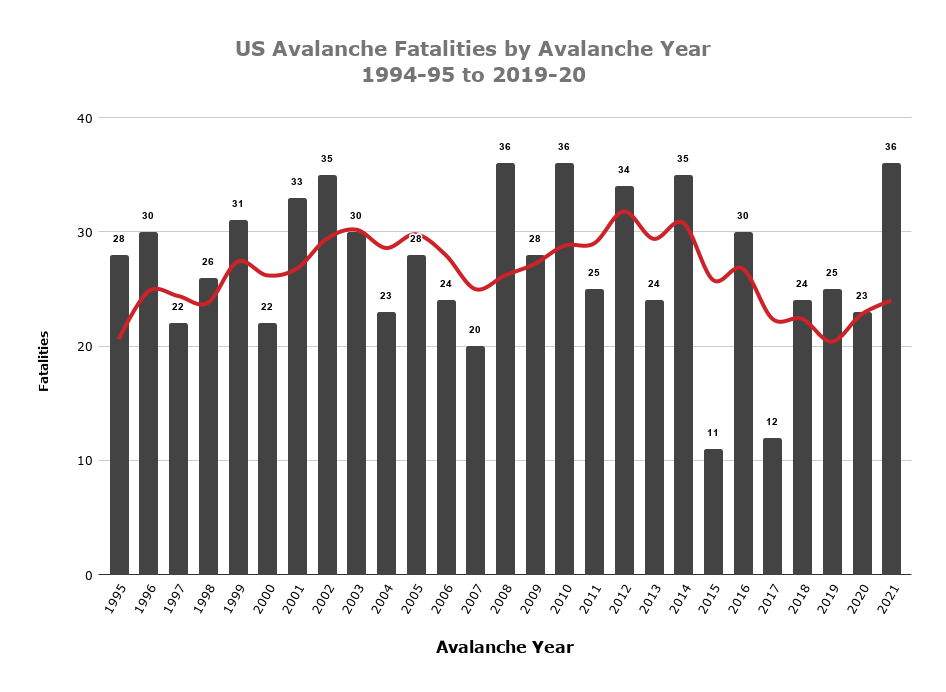
However, along with the influx of people, the higher pandemic stress levels, the dangerous conditions, and the high number of deaths, avalanche awareness increased dramatically. The Gallatin National Forest Avalanche Center’s videos got 1.2 million views—double from the previous year. The Utah Avalanche Center had to build a new website to meet the increased demand for their products. The CAIC sent special forecast alerts and advertised the danger on TV ads and billboards and other mainstream media. In Idaho, attendance in avalanche awareness classes went up tenfold. “Each fatality is tragic. We don’t even want to have one death, but the fact that we had 36 in spite of the increased use means the fatality rate has gone down dramatically,” Birkeland said. “I think that is a story that sometimes gets missed.”
Greene agreed: “Looking back at this year, with lots of new people in the backcountry and very complicated avalanche conditions, I think that the work that the avalanche education industry was hugely important,” Greene said. “As a whole, we did prevent a lot of accidents. Given what we saw, without that combined effort, I think things could have been much, much worse. There is a little bit for all of us to learn from and be proud of.”
Looking to the future, Greene will use the learnings from this season to continue to reach more people. It isn’t only classes or equipment or forecasts alone that can make a huge impact, but community involvement. “Education alone is not going to solve these problems—and forecasts are not going to keep people out of avalanches,” Greene said. “It really takes everyone together to share information. It manifests in ways it’s impossible to list.” He paused. “It’s really powerful.”
Powder Cloud extends our deepest condolences to those who have lost loved ones in avalanches this past season.
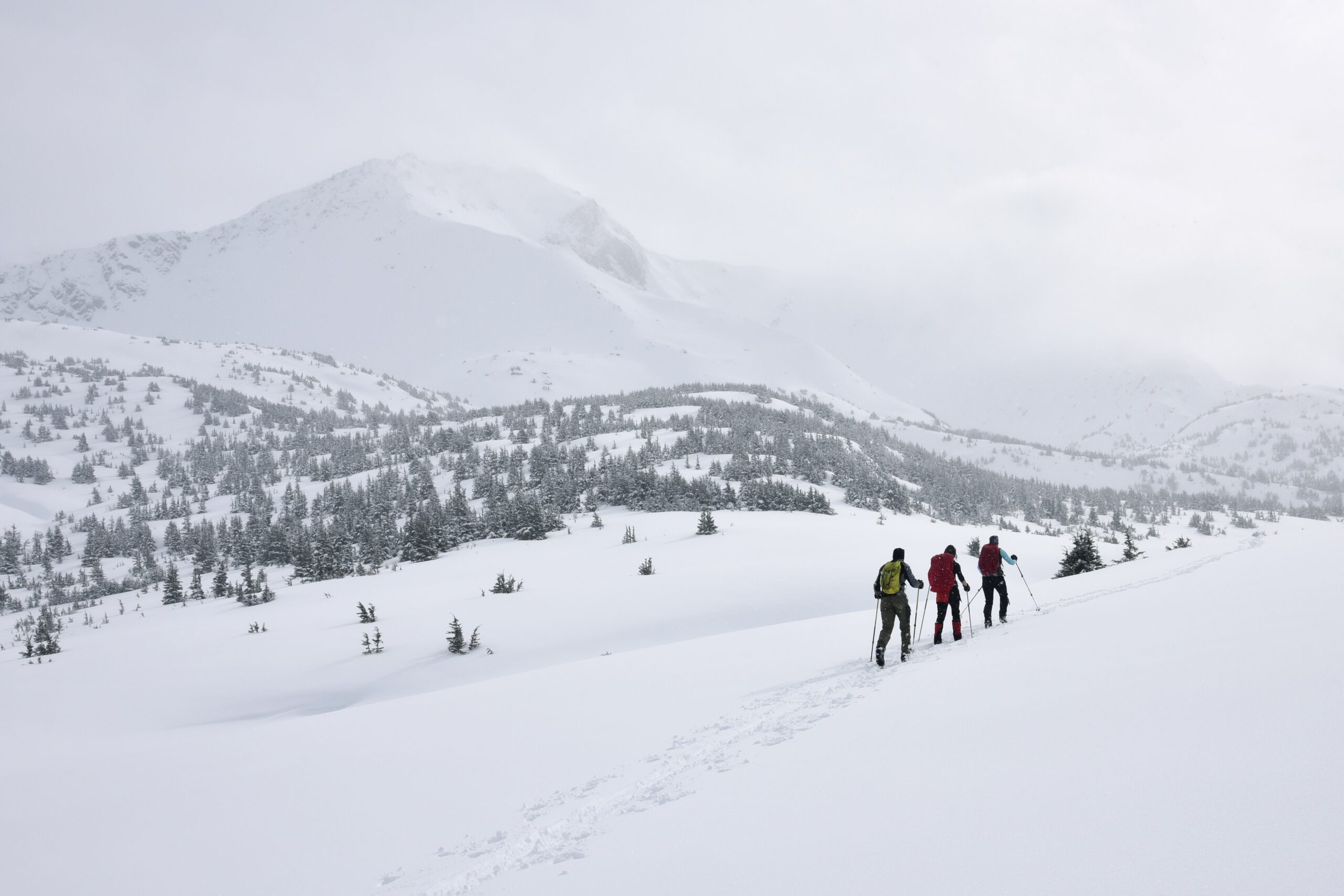
Featured image by Paxson Woelber on Unsplash